
Living Systems Blogs
Organisational Change: Why Different Challenges Need Different Leadership
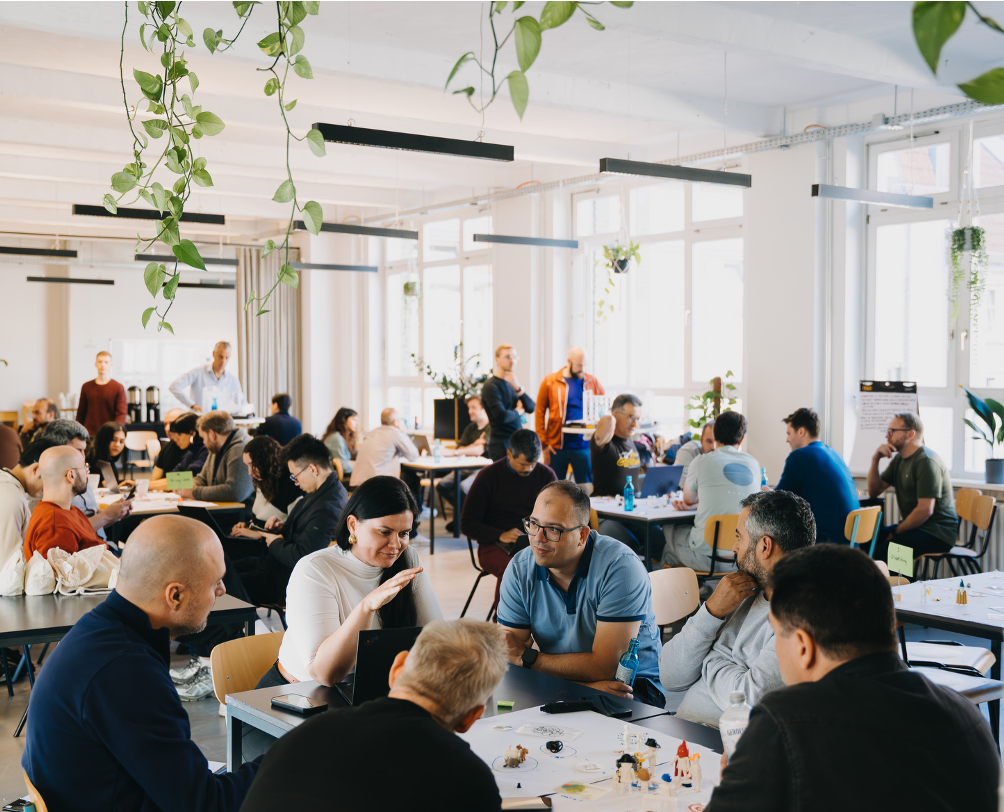
Leaders today describe their environment as complex. Markets shift quickly. Technology evolves rapidly. Organisations face competing pressures from customers, regulators, and internal stakeholders simultaneously. But complexity is a word that covers very different kinds of challenges. And that distinction matters — because applying the wrong kind of intelligence to the wrong kind of complexity is…
Read MoreLeading with Head, Heart and Hand
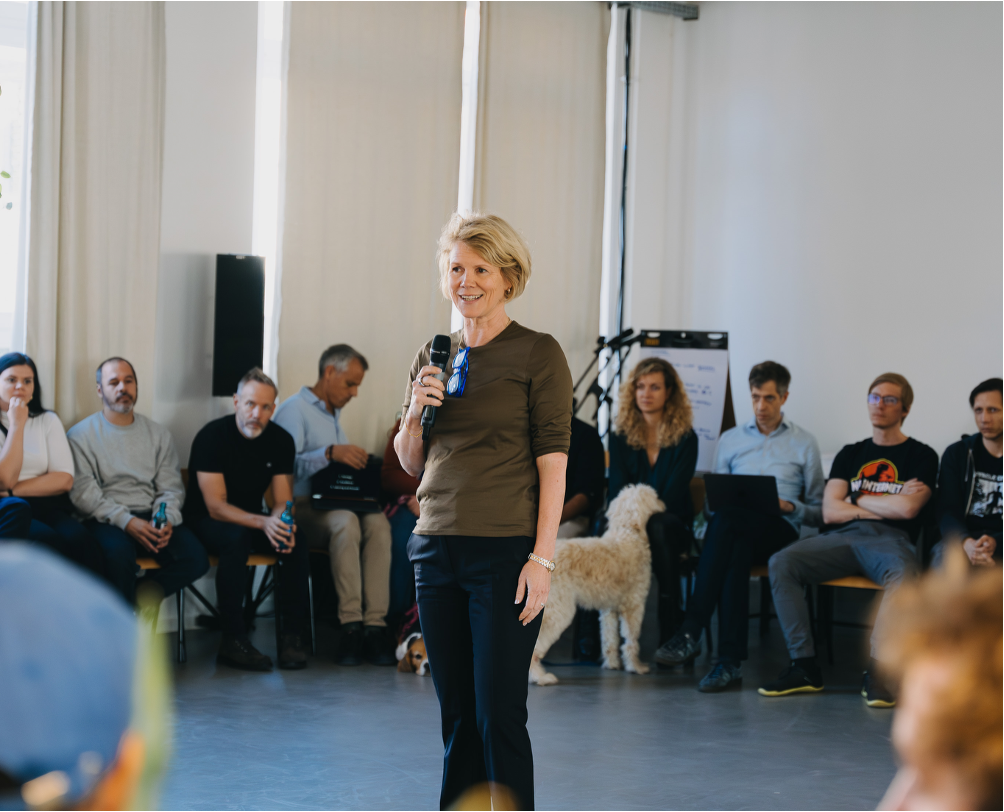
As organisations become more complex, the limits of traditional leadership begin to show. For much of the past century, leadership development focused heavily on one capability: thinking. Strategy, analysis, decision-making. Those who demonstrated strong intellectual ability progressed and took on greater responsibility. These skills remain essential. But complexity changes the nature of leadership. Challenges no…
Read MoreUnlocking Collective Intelligence: From Hero to Host
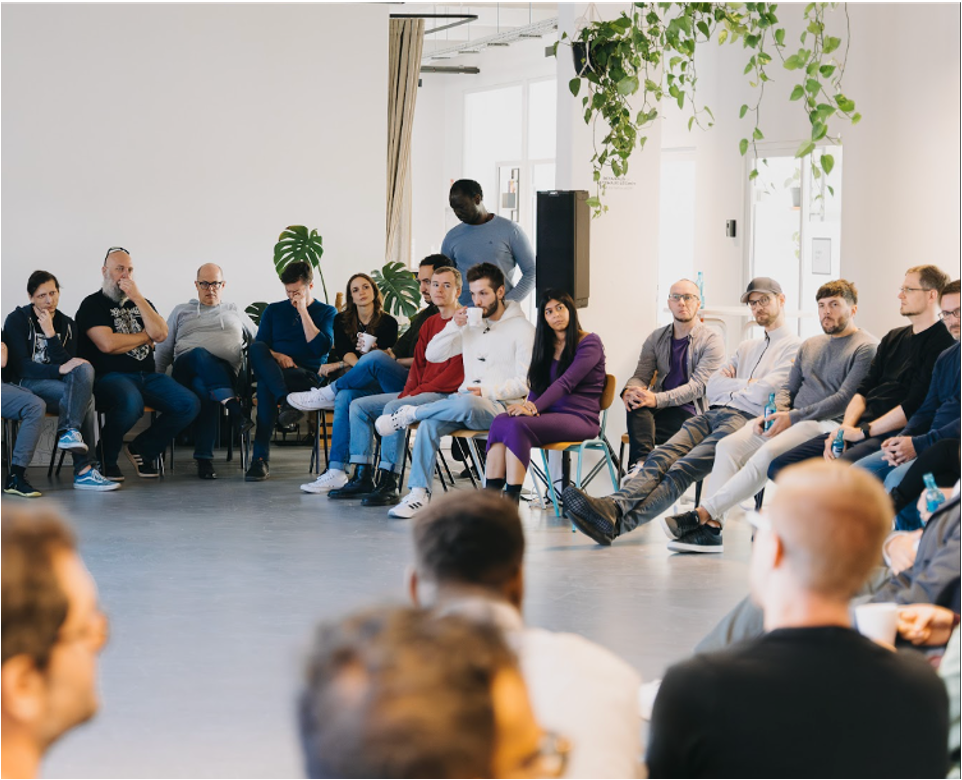
The Hero Problem For decades, leadership has been shaped by a single image. The leader as hero. The person with the vision. The one who steps in when decisions must be made. The individual others rely on to resolve uncertainty and move things forward. Most leaders are promoted precisely because they’re good at this. They’re…
Read MoreLeading in two worlds: why the org chart tells only half of the story
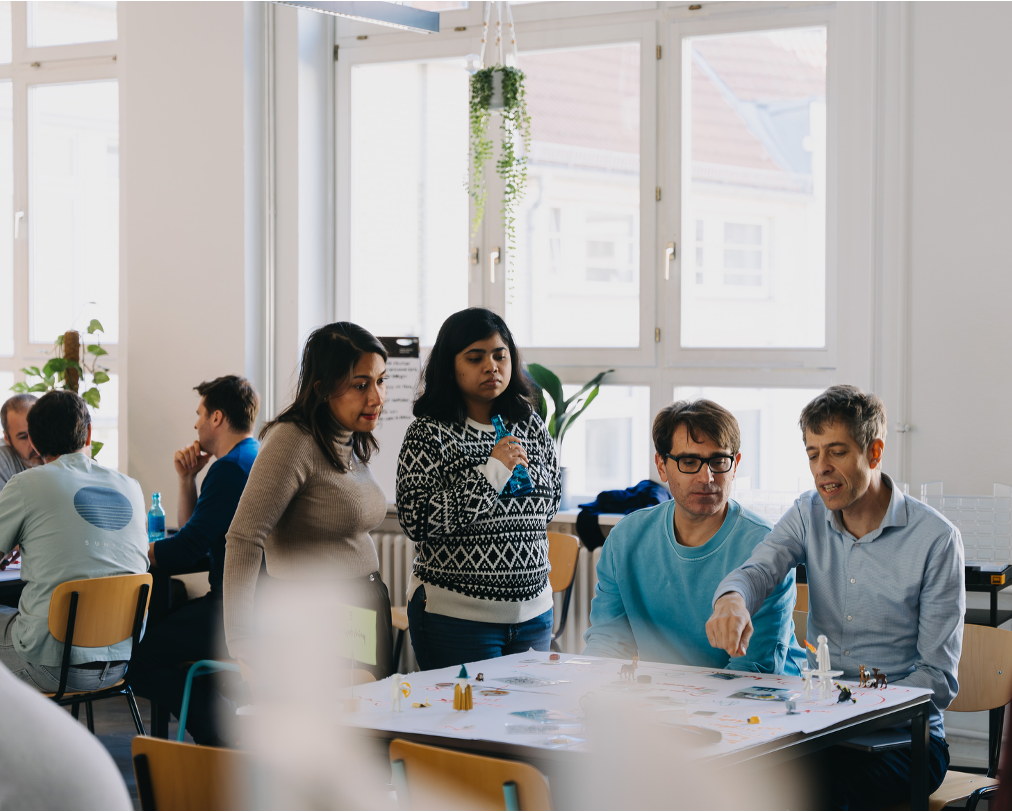
Many leaders have experienced the same frustration. The organisational structure looks clear.Roles are defined.Strategy has been communicated. Yet the organisation still struggles to move. Decisions stall.Collaboration breaks down.Tensions between teams reappear again and again. From the perspective of the organisational chart, everything looks correct. But the real dynamics of the organisation are happening somewhere else.…
Read MoreStrategic Planning Offsites: Why the Design Matters as Much as the Agenda
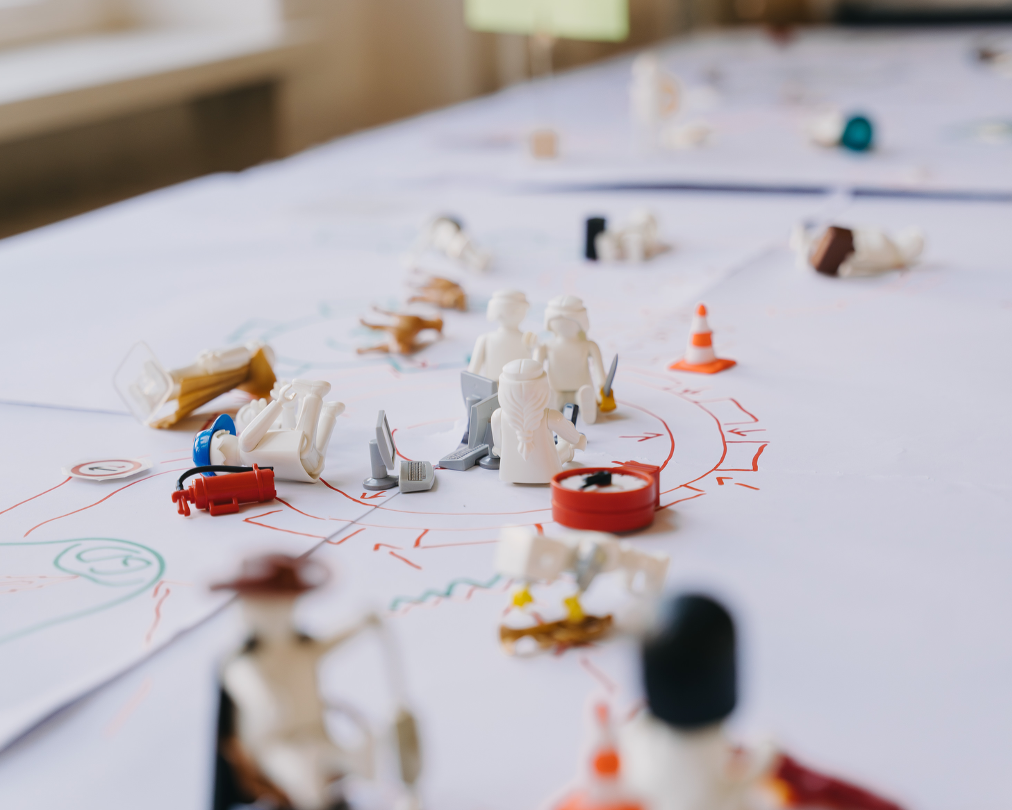
Every year, leadership teams spend significant time and money on offsites. They’re usually well-intentioned. The organisation faces important questions — a strategic shift to explore; tensions between functions that are slowing progress; a need to step back and think. So the team gathers for a day or two away from the office. Slides are prepared.…
Read MoreThe End of the Leader With Answers
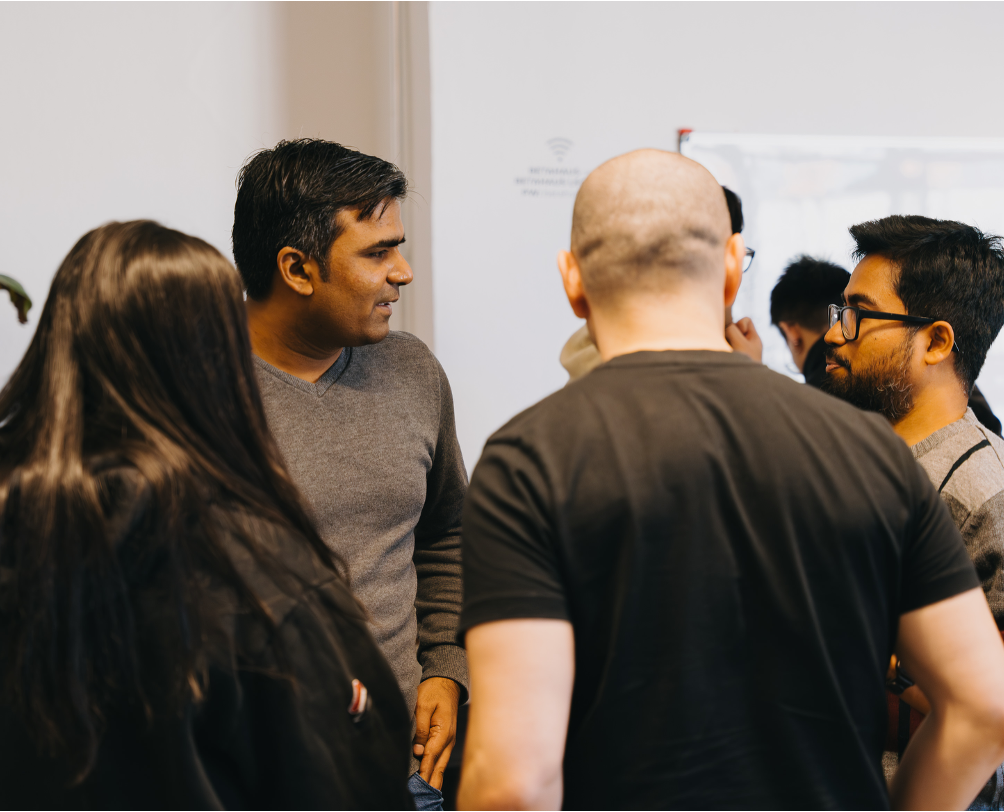
When Expertise Stops Being Enough For most of the past century, leadership was built around a simple premise. The leader was the person with the answers. Managers rose through organisations because they had expertise. They knew the business, understood the market. When problems emerged, their job was to diagnose, decide, and direct. In stable environments,…
Read MoreWhy Leadership Teams Stop Telling Each Other the Truth
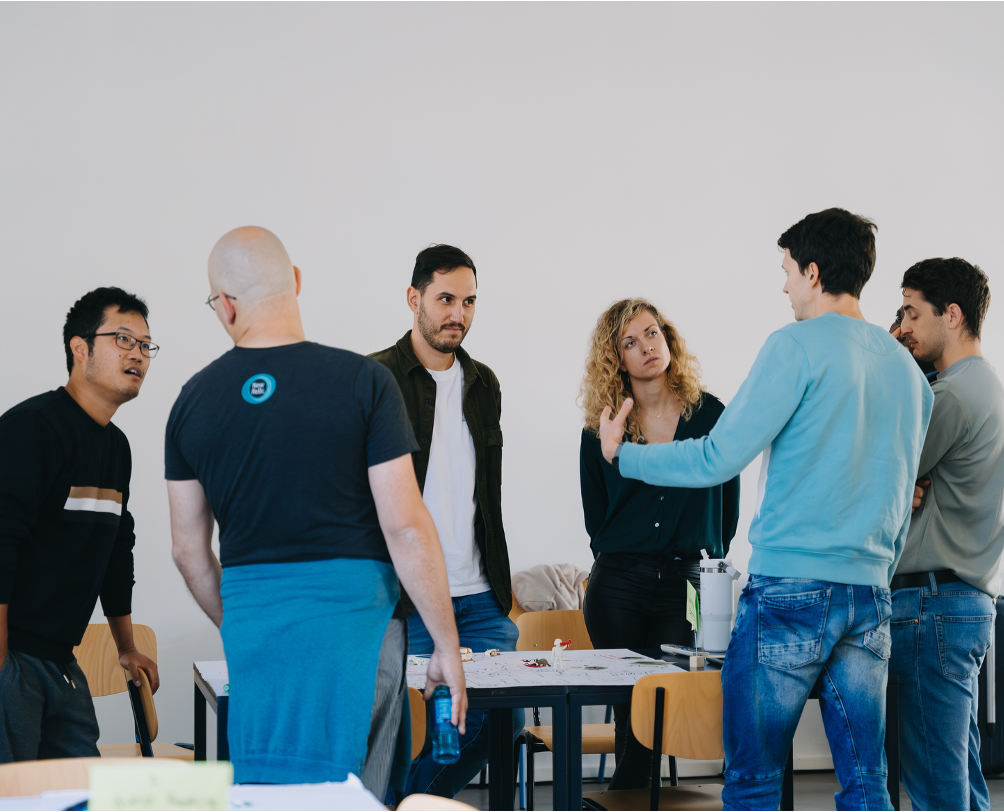
In a VUCA world, leaders need to develop greater agility, balancing driving & directing with enabling & facilitating styles of leadership
Read MoreWhole System Change: When Organisations Lose the Ability to Think Together
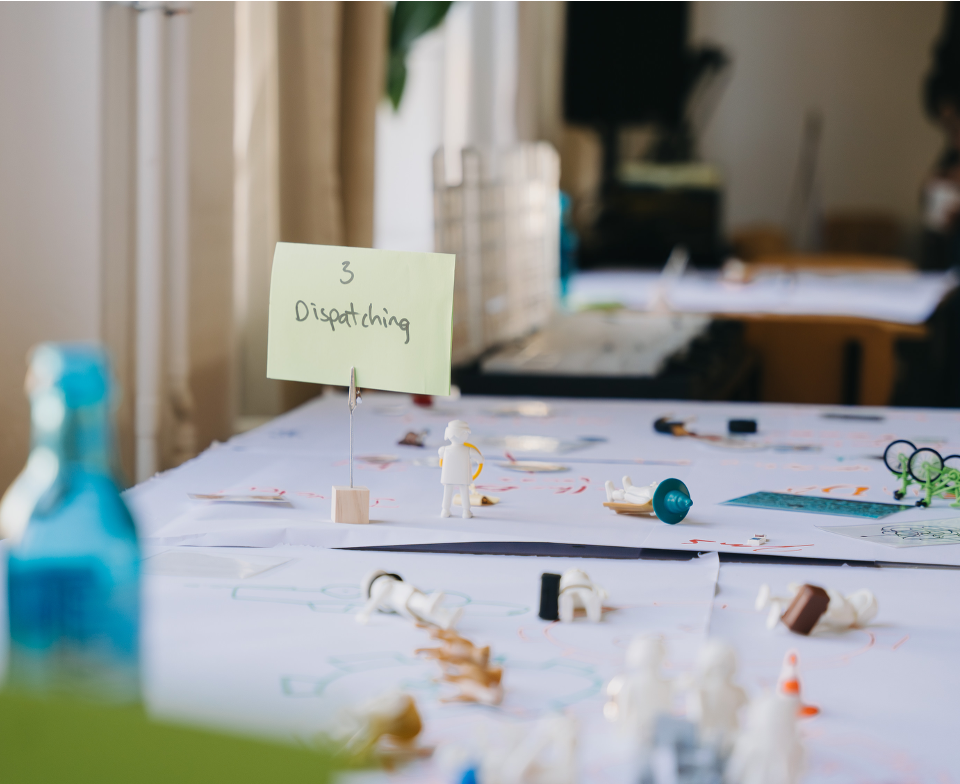
Whole system change is an approach that mobilises whole ecosystems to break through their most complex challenges
Read MoreLeadership Team Effectiveness: How Teams Learn to Think Together

We develop the capacity for collective intelligence in groups – enabling groups of all sizes to think, feel and act as a cohesive whole
Read More